
30 Tips for Renovations in Paris
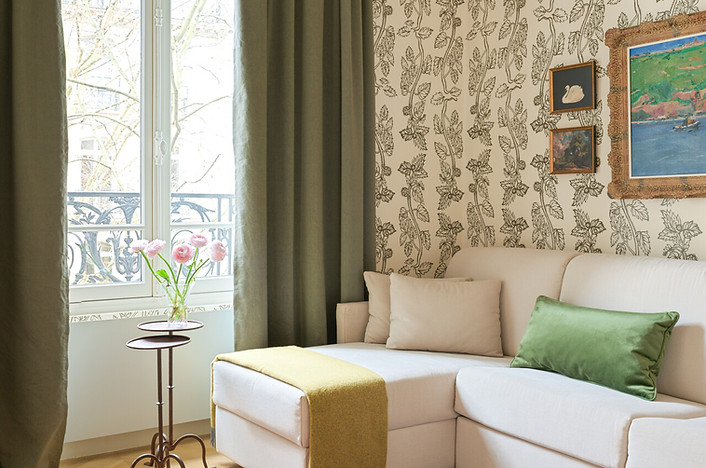
After completing our 30th renovation in Europe, we've learned more than we ever imagined about what makes a renovation truly successful—and what can derail it entirely. We've made mistakes, celebrated wins, and fine-tuned our instincts through trial, error -- and a lot of dust! So now, we thought it would be helpful to share 30 hard-earned tips that cover everything from budgeting and planning to design choices and contractor communication. Whether you're tackling your first renovation or your fiftieth, these insights are meant to save you time, money, and a few headaches along the Parisian way.
Planning & Permits
1. Understand local regulations – Paris has strict building codes, especially in historic buildings. Build in time for special permits, such as structural changes, which could require time consuming authorization from the Mairie. Pro-tip: Figure out ways to achieve your goals without needing the Mairie’s consent.
2. Check copropriété rules – Your building’s co-op may restrict changes to plumbing, façade, or flooring. Check the balcony rules, as well!
3. Consult an architect early – We like to bring ours in, along with our contractor, at time of purchase if possible – to identify any red flags early.
4. Hire local professionals – It’s essential! They know the quirks of Parisian buildings and bureaucracy. And familiarize yourself upfront with how they work. Many of the contractors we work with have a small staff of “regulars” and then sub out the specialized artisans.

5. Budget for surprises – Old buildings often (always?) hide outdated wiring, plumbing, or structural quirks. You may need to wait for the final demo to be done before receiving a definitive renovation budget.
Structural & Technical Considerations
6. Assess load-bearing walls – You can’t just knock down walls in a 19th-century building.
Pro-tip: Figure out ways to achieve your goals without touching load bearing walls.
7. Upgrade electrical systems – Many Paris apartments still run on outdated circuits. We strongly recommend revisiting the electrical if for no other reason than to simplify an often overly complicated electrical wiring system. And if you work with a qualified architect or contractor, they will not allow you to renovate with outdated systems.
8. Improve insulation – You will get a “report card” when you purchase the apartment and may be obliged to improve the insulation, especially if you have a grade of E, F or G. Pro-tip: Make sure your contractor has budgeted for the most space-efficient insulation.
9. Soundproof smartly – Thin walls and creaky floors are common, and especially prevalent in Haussmann style apartments. Think about adding acoustic insulation.

10. Check plumbing stack locations – Especially for toilets! Moving kitchens or bathrooms is often limited by vertical pipe access and we strongly recommend checking this out before you purchase.
Design & Layout
11. Maximize natural light – Many Parisian apartments are naturally dark, so you’ll want to work with your designer to use mirrors, transom windows, and light colors to amplify brightness.
12. Preserve original features – Whenever possible, we’ll restore moldings, parquet floors, and fireplaces. Pro-tip: Source new moldings or copy existing moldings to restore an apartment back to its original state.
13. Open up small spaces – Paris apartments are famously compact, or, in many Haussmann apartments, the kitchen is in the back, away from the living space. Pro-tip: Work with your designer to see if you can move the kitchen possibly to where a bathroom is located, closer to the living space.
14. Use jib or sliding doors – Jib doors can be built into the molding so that they don’t take up visual space, and sliding doors can sometimes work more efficiently in small spaces.

15. Create hidden storage – Think under stairs, behind mirrors, or built into walls. Or use under bed storage for linens.
Style & Aesthetics:
16. Blend old and new – Think like a true Parisian, and pair vintage or antique details with contemporary finishes for timeless elegance.
17. Choose high-quality finishes – where it counts. In fashion, Parisians are renowned for valuing quality over quantity. In our interiors, we like to value craftsmanship over flash. But we also prioritize function over form, especially when we have budget constraints.
18. Use materials and appliances that are suited for Paris – Work with a designer who is familiar with how materials are sourced and available in France. (This is a whole chapter, and we’ll have to address it separately!)
19. Incorporate French design staples – Think herringbone floors, marble fireplaces, wall moldings and wrought iron. What a difference they make!

20. Review your furnishings choices upfront – French décor is quite different from what our anglo-clients are accustomed to. Make sure that you answer your designer’s questionnaire upfront especially when it comes to personal choices like color, style and proportion. Your designer may need to source furnishings outside of France to achieve the look and comfort that you are seeking.
Building Management & Process
21. Review the contractor’s budget thoroughly – Understand what is and isn’t included in the budget, as it may differ from how contractors work in your country. A competent project manager will help you with this information.
22. You need a project manager – If you haven’t gotten this tip before! You need someone on the ground who will visit the worksite and report back to you at least once a week. Even if you hire the best contractor and designer, a project manager is essential to oversee the project from start to finish, especially if you are not on site.
23. Create a reasonable timeline – Know in advance when the French contractors take their vacations. Pro-tip: Look at the French national holiday schedule for May, August and December before you commit to a move in date!
24. Respond swiftly – This will help avoid delays. The contractors need to budget their time as well, especially when it comes to managing their subs. A delayed approval or response could mean losing an artisan until he or she is next available – and that will delay the whole process.

25.Do not plan to move in until the project is finished – We always welcome you to visit the worksite any time you can, although we are accustomed to handling your project long distance as well. However, you should not plan to stay there until the project is finished. There are so many reasons for this that we could write a separate chapter, so please just trust us on this one!
Furnishings
& Decorative Touches
26. Choose compact appliances – Space is at a premium, so it’s best to go for sleek and efficient. And respect your local designer’s choice for the most appropriate materials to use even if they’re not what you are familiar with. Pro-tip: Marble and solid oak may not be the best materials to use in certain instances.
27. Install smart home features – Discreet tech can modernize without disrupting aesthetics and it’s always good to decide these things upfront.
28. Layer lighting – Use a mix of ambient, task, and accent lighting for depth. And identify your dimmer lights upfront, since that is often something that cannot be added later.
29. Make sure you have budgeted for accessories – Window treatments, art, books, and curated objects make the space feel lived-in and chic. Remember that window boxes with vegetation can add warmth and personalization to a Parisian interior.

30. The final walkthrough –We often say that our favorite moment is witnessing our homeowners’ tears (of happiness!) as they set foot into their finished and fully decorated apartment for the first time! It’s also important to test everything in the apartment to create a thorough punch list. And then respect the timing for repairs. Usually a contractor will give you two weeks for the repairs within the contract before the clock starts to tick again.